Vanilla Hydrangea: The Sweetest Flower In Your Garden
Vanilla Strawberry Hydrangea: The Sweetest Flower in Your Garden
The vanilla strawberry hydrangea is a beautiful and fragrant shrub that is perfect for adding a touch of sweetness to your garden. It is known for its large, cone-shaped flowers that start out white and gradually turn pink and then strawberry red as the summer progresses. The flowers also have a sweet, vanilla-like scent that is sure to attract bees and butterflies.
Vanilla strawberry hydrangeas are relatively easy to care for and can be grown in USDA hardiness zones 5-9. They prefer full sun to partial shade and well-drained soil. They are also relatively drought tolerant once established.
To plant a vanilla strawberry hydrangea, choose a location that gets full sun to partial shade. The soil should be well-drained and amended with compost or manure. Dig a hole that is twice the size of the root ball and plant the hydrangea so that the top of the root ball is level with the soil surface. Water the hydrangea well after planting.
Vanilla strawberry hydrangeas do not require a lot of fertilizer. A light application of a balanced fertilizer in the spring will help to promote flowering. Water the hydrangea regularly, especially during hot, dry weather.
Vanilla strawberry hydrangeas can be pruned in the spring or fall. If you are pruning in the spring, prune the hydrangea back to about half its size. If you are pruning in the fall, simply remove any dead or damaged branches.
Vanilla strawberry hydrangeas are relatively pest and disease resistant. However, they can be susceptible to powdery mildew. If you see powdery mildew on your hydrangea, treat it with a fungicide.
With proper care, vanilla strawberry hydrangeas can live for many years and provide you with years of enjoyment. They are a beautiful and fragrant addition to any garden.
Here are some additional tips for growing vanilla strawberry hydrangeas:
- Mulch around the base of the hydrangea to help retain moisture and suppress weeds.
- Protect the hydrangea from strong winds, which can damage the flowers.
- If you live in an area with cold winters, you may need to cover the hydrangea with a burlap sack or other protective material.
With a little care and attention, you can enjoy the sweet beauty of vanilla strawberry hydrangeas for many years to come.
If you're looking for a hydrangea that will add a pop of color to your garden, look no further than the vanilla hydrangea. With its creamy white flowers that blush pink and red as the summer progresses, this stunning shrub is sure to turn heads.
But the vanilla hydrangea isn't just beautiful - it's also easy to care for. It can tolerate a wide range of soil conditions and is relatively pest- and disease-resistant. And because it grows to be 6-7 feet tall and 4-5 feet wide, it's a great choice for adding privacy or creating a focal point in your yard.
To learn more about the vanilla hydrangea, including how to plant and care for it, I recommend visiting . This website has a wealth of information on all things hydrangea, including specific care instructions for the vanilla variety.
FAQ of vanilla hydrangea
1. What is a vanilla hydrangea?
A vanilla hydrangea is a type of hydrangea that produces flowers that are a pale pink or lavender color when they first bloom. As the flowers age, they gradually turn a deeper pink or even white. The flowers have a sweet, vanilla-like fragrance, which is where the plant gets its name.
2. How big does a vanilla hydrangea get?
A vanilla hydrangea can grow to be 6 to 7 feet tall and 4 to 5 feet wide. It is a relatively fast-growing plant, and it can reach its full size in about 3 to 5 years.
3. Where should I plant a vanilla hydrangea?
Vanilla hydrangeas prefer full sun to partial shade. They need well-drained soil that is rich in organic matter. If you live in a hot climate, you may need to water your vanilla hydrangea more frequently.
4. How do I care for a vanilla hydrangea?
Vanilla hydrangeas are relatively easy to care for. You should water them regularly, especially during the hot summer months. You should also fertilize them once a year in the spring with a balanced fertilizer. In the fall, you can prune your vanilla hydrangea to remove dead or damaged branches.
5. What are some common problems with vanilla hydrangeas?
The most common problem with vanilla hydrangeas is leaf scorch. This occurs when the plant is exposed to too much hot, dry sun. You can prevent leaf scorch by planting your vanilla hydrangea in a location that receives partial shade. Another common problem is powdery mildew. This is a fungal disease that can cause white spots to appear on the leaves of the plant. You can treat powdery mildew with a fungicide.
Image of vanilla hydrangea
5 different images of "vanilla hydrangea" from Pinterest:
- A large, white hydrangea with pink accents.

- A close-up of a single hydrangea bloom, showing the creamy white petals and pink centers.
- A row of vanilla strawberry hydrangeas in full bloom, with their flowers ranging in color from white to pink to red.
- A vanilla strawberry hydrangea in a garden setting, with other flowers and plants in the background.
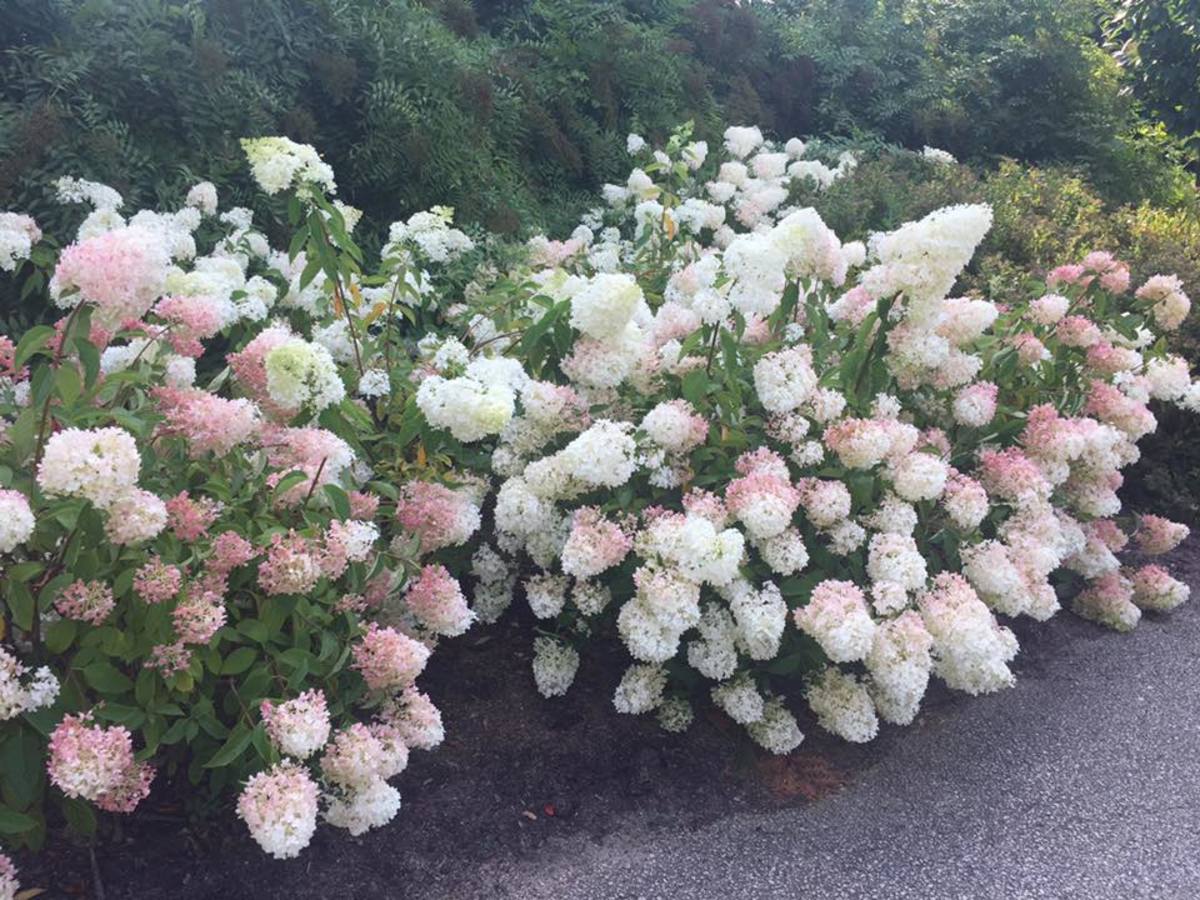
- A vanilla strawberry hydrangea in a vase on a table, with a few other flowers as a centerpiece.


Post a Comment for "Vanilla Hydrangea: The Sweetest Flower In Your Garden"